Ways to Scale Organic Growth in 2026
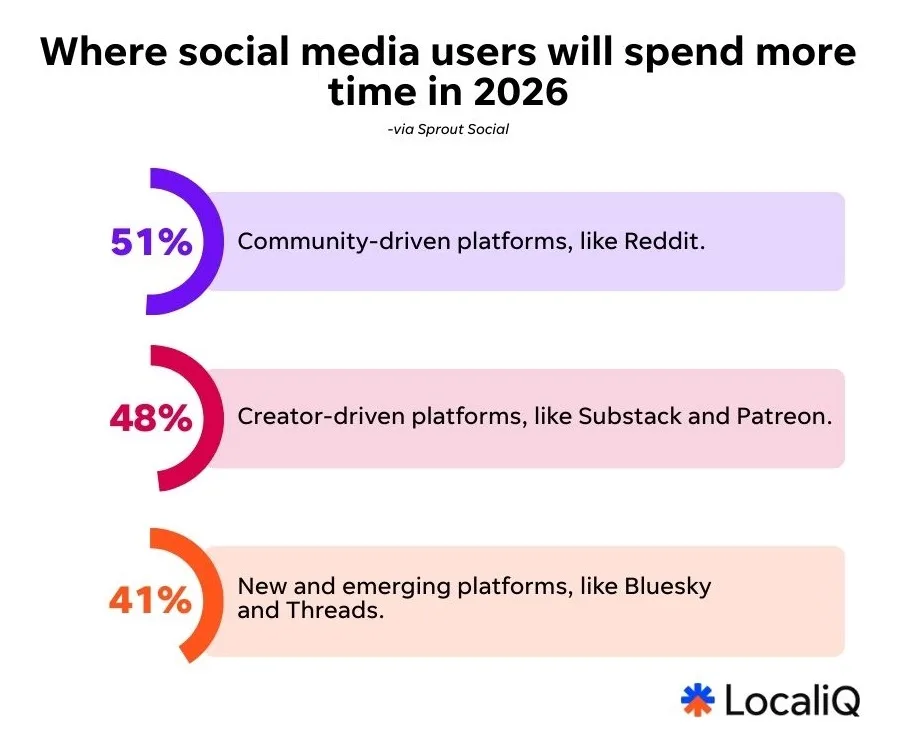
Here's how you can use social media marketing to enhance traffic and engagement: Focus on platforms where your audience is most active. LinkedIn is frequently the very best fit for B2B content, while Facebook or Twitter may be perfect for visual content. Post content that solves problems, responses concerns, or provides actionable insights.
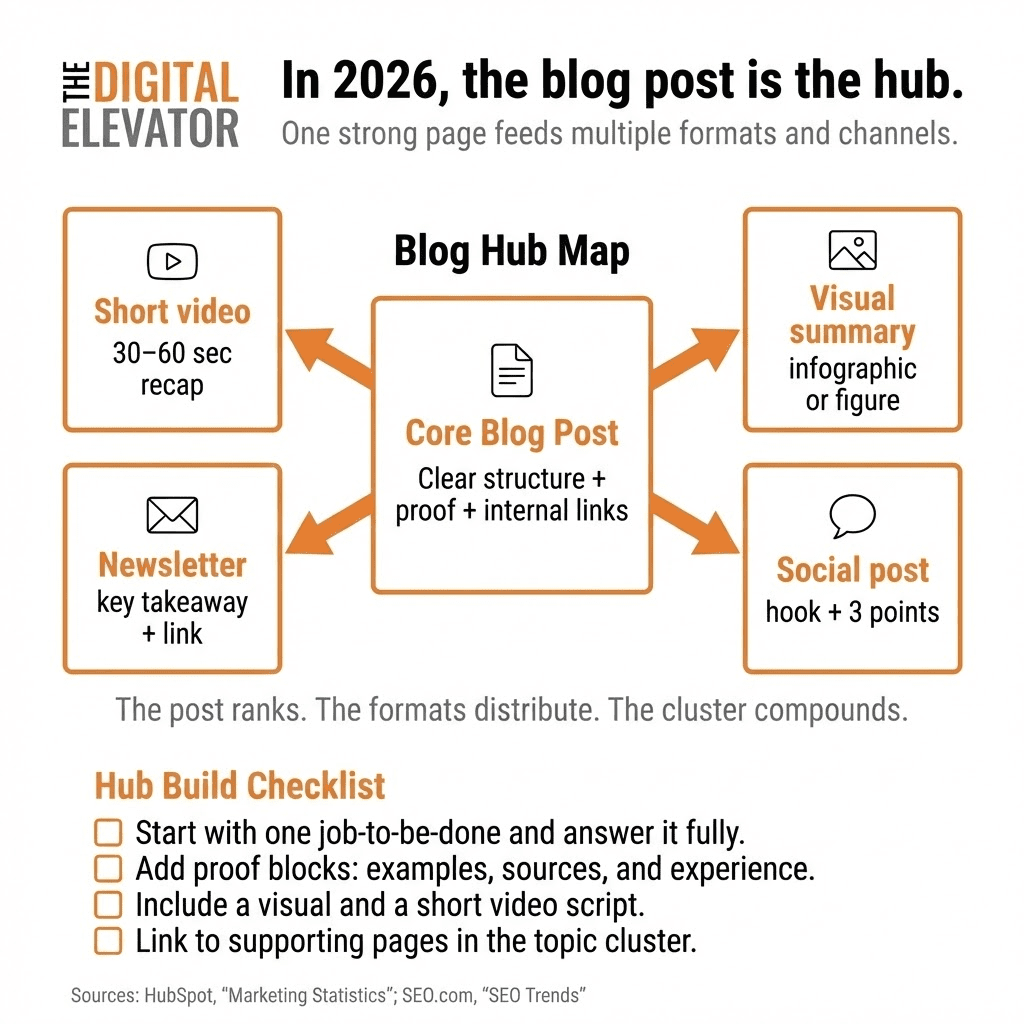
Repurpose blog site material into shareable visuals. Focusing on user intent, optimizing your material, and using SEOBoost's effective functions can help you drive sustainable growth and outperform rivals.

Organic traffic is earned by enhancing your content for SEO, whereas inorganic traffic relies on paid campaigns to drive visitors to your website. High natural traffic often indicates that your content is important and pertinent, which helps enhance your rankings over time.
This visitor found your website through unsettled online search engine results, making it organic traffic. To create organic traffic: Conduct keyword research study to target the best search terms. Produce high-quality, SEO-optimized material. Improve on-page SEO elements like meta tags and internal links. Build backlinks from reliable websites. Usage SEOBoost to enhance your material and track performance.
SEO NEO VPSAdvanced Content Strategy for Maximum ROI
When she's not busy looking into and developing incredible material for SEOBoost, she can be discovered practicing piano, composing fiction and traveling.
Stop enhancing strategies in isolation and begin mapping the SEO worth chain. Many SEO strategies stop working due to the fact that they enhance separated activities. I mapped the total SEO worth chain for 30+ customers.
Enhance one incorrect and the entire chain breaks. The 8 Links Market Research Study Insights Keyword Technique Target list Material Production Indexed pages Technical Optimization Crawlability Link Acquisition Authority Rankings Exposure Traffic Users Conversion Income Link 1: Market Research study Insights Secret metrics: TAM size, competitor gap count, search need volume, client intent mapping.
Link 2: Keyword Technique Target List Key metrics: Keywords identified, keywords by funnel phase, approximated traffic potential, difficulty versus authority match. Mistake: Targeting keywords you can't rank for in 12 months. Link 3: Material Production Indexed Pages Key metrics: Publishing speed, word count, quality score, indexation rate. Bottleneck here? Everything downstream suffers.
Future Search Shifts to Watch
Connect 4: Technical Optimization Crawlability Secret metrics: Page speed, crawl effectiveness, schema markup protection, mobile optimization. Technical issues eliminate great material. Connect 5: Link Acquisition Authority Key metrics: New referring domains monthly, average DR, topically pertinent links percentage, link speed.
Link 7: Traffic Users Key metrics: Organic sessions, traffic by funnel phase, brand-new versus returning visitors, growth rate. Link 8: Conversion Income Secret metrics: Conversion rate, profits per session, cost per acquisition, customer LTV. The only metric that eventually matters.
Low traffic, excellent rankings? Incorrect keywords. Great rankings, no traffic? Low search volume. No rankings? Content, technical, or links problem. The Compounding Impact Much better research study much better keywords (1.5 x) Better keywords more relevant traffic (2x) More pertinent traffic higher conversions (3x) 10% enhancement in each link equals 3-4x general enhancement. Common Mistakes Enhancing one link while disregarding others, working out of sequence, not determining each link, over-investing in one location.
Organic search traffic is the visitors landing on your website from unpaid online search engine results like Google and Bing. In other words, these users find you by typing questions and clicking your website's result, with no ads included. Organic search represents a major part of total web traffic in many markets, making it a critical source of presence.

Building Synergy for Social and SEO
In other words, organic search is a cost-effective, high-intent traffic stream. Individuals are actively searching for details or solutions, and if your material matches their requirements, it can result in quality leads and sales. Paid search (PAY PER CLICK) can deliver instant traffic by bidding on keywords, but traffic stops as soon as the advertisements stop.
Organic results frequently feel more reliable to users, particularly for research-driven searches. Organic search traffic is highly targeted and sustainable.
Organic traffic has slower growth but a longer shelf life.: Over 50% of all web traffic comes from natural search. For mid-to-large services, that's a lot of eyeballs.
Once the spending plan ends, the ads and traffic stop. Organic results require effort to rank (SEO, content, links), but then keep working. Paid CTR differs extensively, while high-ranking natural results often draw in a larger share of clicks for particular searches. In practice, many online traffic is organic one study found 53.3% of all traffic originated from organic search versus just 27% from paid advertisements.
Mastering Organic Traffic Blueprints
Paid ads are great for fast increases or promotions, however natural search is a reputable structure for long-term visibility and ROI. Organic search traffic is typically the most valuable channel for organization growth. Key benefits include:: Aside from content creation and SEO work, clicks don't cost you per check out.
: Visitors from natural search are actively looking for info or options related to your products or services. This suggests higher intent and better conversion potential.: Users frequently click natural results over ads.
A piece of well-optimised material can create traffic for months or years, unlike advertisements that stop with spending.: In time, organic search typically delivers a more powerful return than advertisements. Organic search can be a major profits driver when supported by consistent SEO and content strategy. By focusing on organic search, companies increase visibility to a broad audience with genuine interest.
Improving your natural search traffic is an ongoing process of good SEO and marketing practice. Google needs to be able to find your material.
Comparing Search and Social for Organic Success
Submit an XML sitemap to Google.: Repair broken links, repair 4xx and 5xx mistakes, and get rid of redirect chains. Google clearly thinks about load time and mobile friendliness.