The Maturity of Digital Content Lifecycle Management

Reserve briefly, these digital possessions can be recycled or recycled to increase their return. Pointer: you may need to know which visual media to keep, archive or erase. It depends upon your brand method and your company's practices. Some photos or logo designs will be kept to keep an eye on changes or develop retrospectives, for example, however you may ask yourself if every image format is required.
social media marketing trendsIt's a concern of discovering the ideal balance in between the need to keep a record and the need to declutter what is no longer beneficial and still holds some importance. If you utilize DAM, decrease your storage space by cleaning it frequently: you maximize area and therefore reduce your energy intake.
So to avoid the threat of content overload, the primary step is to be sure to adopt an eco-responsible digital communication technique (the list roduced by ADEME is a convenient guide which is well worth an appearance). Your interaction will be more efficient, since it is well created and thoroughly targeted, and less resource intensive.
social media marketing trendsEssential Content Marketing Trends to Monitor in 2026
Choosing a DAM option helps in reducing your carbon footprint by centralizing your digital possessions and streamlining the production, management and distribution of all your marketing and media content. The digital content lifecycle includes the 7 stages that content follows: preparation, production, company, distribution, analysis, optimization, and archiving. To enhance ROI, boost efficiency, extend content worth, and minimize digital waste.
Content scoring measures the performance of media assets, assisting marketers focus on high-performing material and minimize waste.
Content lifecycle management is the practice of managing material from it's preparation, authoring, promo, evaluating and maintaining. Whatever has a lifecycle: plants, animals, computers, and, yes, people. However what is content lifecycle management, and why do we require it? With 70% of organizations leveraging content marketing, comprehending the lifecycle of your material is essential to your business's workflow and success.
Writing Content for Modern Search Engines in 2026
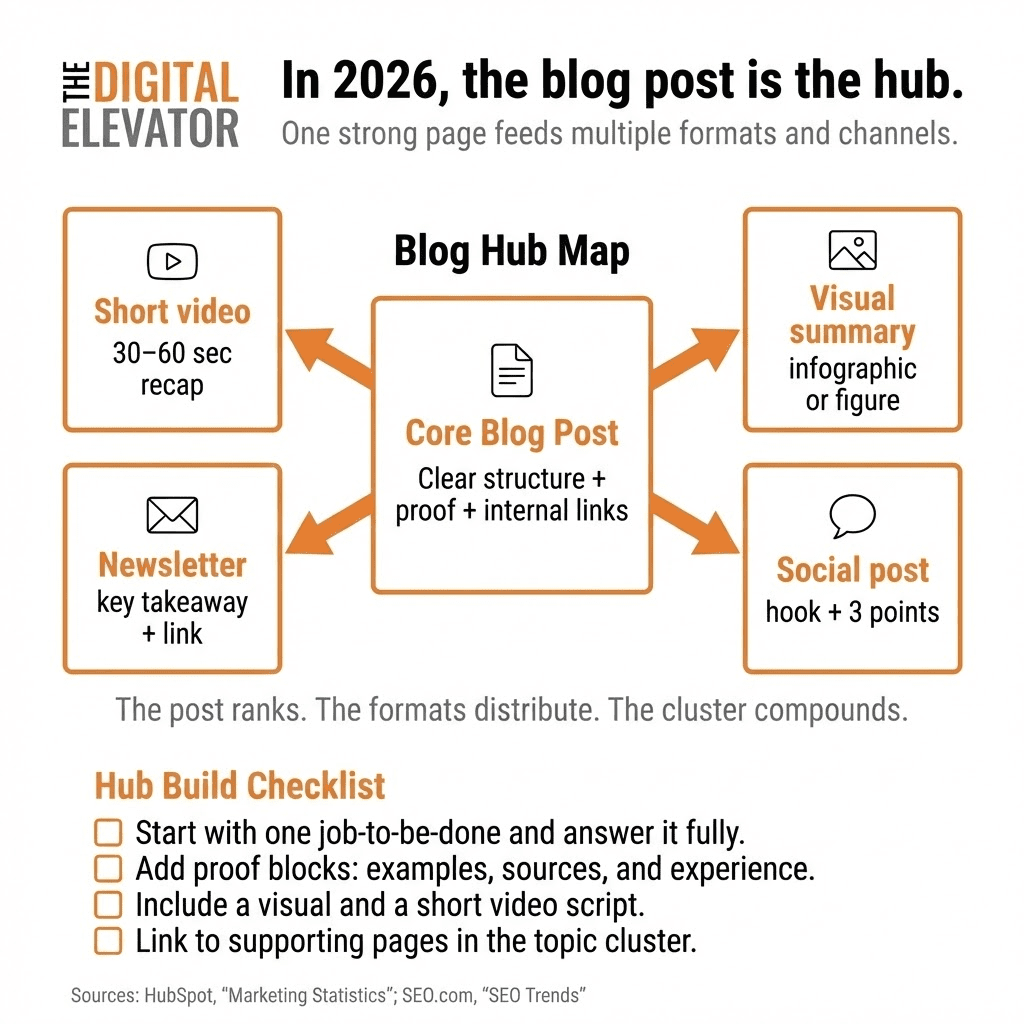
Content lifecycle management is the beginning, middle, and end of information production Elevating your brand name or maintaining its credibility indicates providing top-notch material lifecycle management out of content development The five stages of content lifecycle management are preparing, producing, marketing, examining and maintaining Material can be found in numerous forms. It might be a blog site on a site, an infographic, a podcast, or a video, you can even leverage material for repurposing if need be.
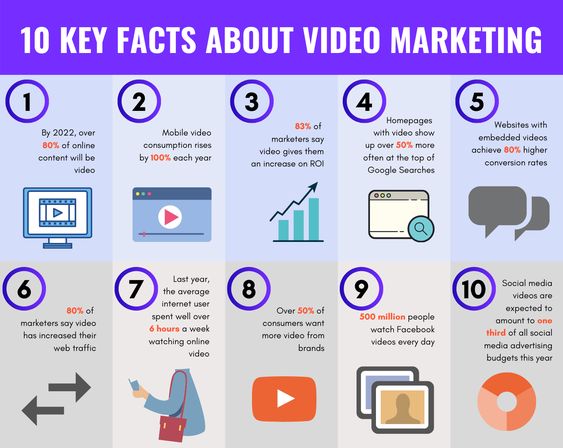
As an example, you desire to produce video content for your brand. The subject starts with an objective in this case, brand awareness. From there, you decide the style of your video to be the company's objective statement. You storyboard the circulation of the video, acquire actors or animators, publish, promote, and after that observe the results.
How do users react when they see the following? A page for a ceased service or product Profiles of staff members that are no longer part of your business Suggestions that is not in tune with existing events A page not filling due to an out-of-date innovation Content lifecycle management plays a considerable role in user experience and, subsequently, functionality and company profits and company objectives.
Material lifecycle management can be separated into 5 stages for material developers: Before creating the material, an organization needs to understand what objective they intend to accomplish by its publication. Here are some ideas: Do you wish to increase visitor traffic? Are you seeking to fix a customer pain point? Do you wish to get more referrals? As soon as you have the top-level objective, which type of material will assist you fulfill that goal? Is it an explainer video? Or perhaps a blog? What about a podcast? The last element of setting an objective is establishing the analytics for the material.
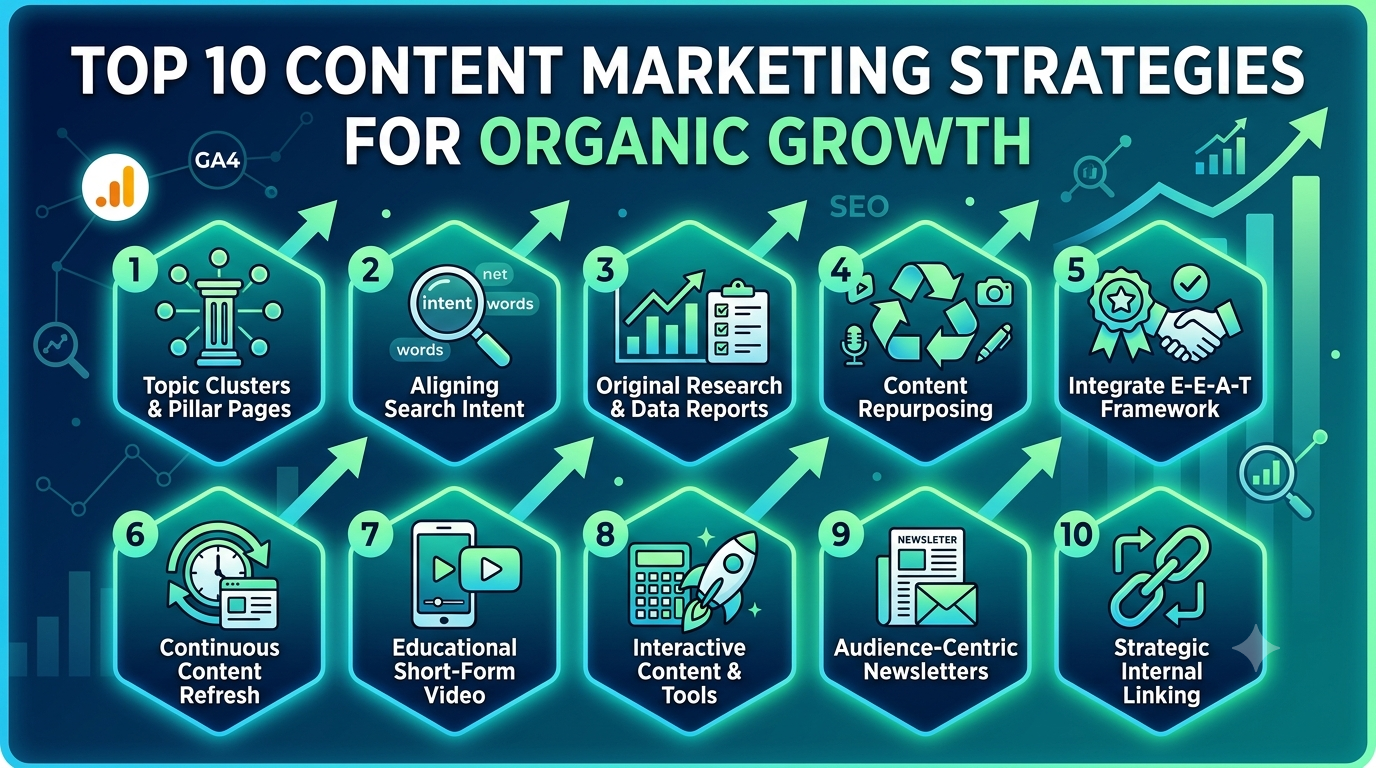
Proven Content Tactics to Drive Unpaid Visibility
When establishing material for your organization, material strategists need to keep the consumer in mind. The endeavor will fail if the info doesn't interest your customer or they can't engage with the content. The following diagram offers primary methods to get insight into your buyers: Next, involve different departments and stakeholders in the creation process, such as marketing and support.
How do users react when they see the following? A page for a terminated product and services Profiles of staff members that are no longer part of your company Recommendations that is not in tune with current events A page not loading due to an out-of-date innovation Content lifecycle management plays a considerable function in user experience and, subsequently, functionality and business earnings and service objectives.
Content lifecycle management can be broken up into 5 phases for content developers: Before developing the content, a company requires to understand what objective they hope to achieve by its publication. As soon as you have the high-level goal, which type of content will assist you fulfill that goal? The last element of setting an objective is establishing the analytics for the content.
Proven Social Tactics to Increase Organic Visibility
When developing material for your business, material strategists require to keep the consumer in mind. The endeavor will fall flat if the information doesn't interest your client or they can't engage with the material. The following diagram provides main methods to gain insight into your purchasers: Next, involve different departments and stakeholders in the production process, such as marketing and support.