Optimizing Search Performance for Smart Content Tactics

AI has actually developed insecurity for material writers, where their tasks could be in jeopardy from machine-generated material at scale. The truth is that many content writers may be displaced, but the ones that can survive and be in demand are the ones who accept the existing changes in search and adapt.
SEO NEO automationThey can likewise stick out by producing the kind of content that takes benefit of LLM and device content restrictions. To use real, actionable advice, we connected to a choice of the leading voices in producing material to ask how they're doing it and what "high carrying out" content will mean by 2026.
It just works when the author knows how to communicate with AI successfully.
Future-Proofing Organic Traffic for the New SEO
Andy Betts shares what he learned: "Position yourself as the tactical thinker who uses AI to research and aid your ideas, not change them." "There is a real opportunity for online marketers who lean into their core imaginative impulses and fundamental optimization abilities to magnify messaging, positioning, and branding. That is the space AI can not fill." "I moved from tactical content to tactical material that constructs credibility for AI citations and recommendations," Betts includes, and then indicates the signal coming from the biggest players in the market: "OpenAI, Meta, Google, PayPal are all hiring content strategists to form CEO narratives and storytelling.
"Great composing still sells, teaches, and develops trust." She shares techniques, including "studying conversion composing to weave micro-conversions into every piece. Refine your storytelling to capture attention in an increasingly automated feed. Get comfy with 'messy triggering' AI, and find how to utilize it as a research study assistant/creative wingman. And most significantly, infuse every line with brand name personality and point of view." For her, distinction in 2026 will not come from composing speed or incredible triggers, however from "insight, strategy, incredible storytelling, and knowing how to use the power of AI to make your material even better." "Writers ought to not adapt; they need to continue to produce human-level content written for people," argues Adam Riemer.
People being able to verify and fact-check, create content that they see being utilized is something just we can do." He includes, "Humans know what to look for and how to write for it. The greatest distinction in abilities is when we get stuck on wording, have character maximums or minimums, or need alternative word suggestions.
SEO NEO automationLearn more: This Is Why AI Won't Take Your Task (Yet) When asked how their writing has shifted in the age of LLMs, each expert arrived at the same reality: the mechanics of great writing haven't vanished, but the structure bring that writing has actually ended up being even more intentional. With the days of writing material for traditional SEO long gone, Alves advises authors to structure content with device readability in mind.
How Smart Analytics Refines the Content Strategy?
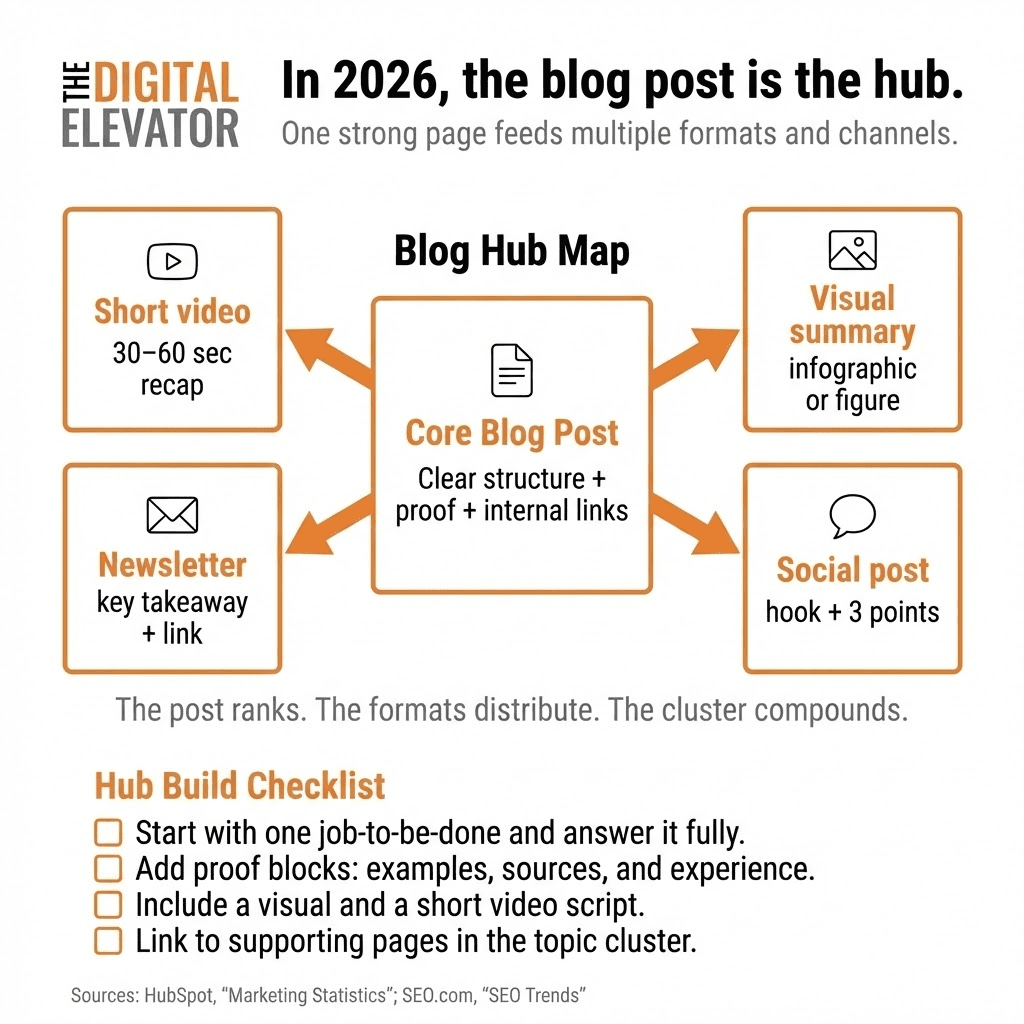
"Today's writers should include internal links, definitional clearness, and clear takeaways to make content easier for human beings and makers to procedure." But she notes that writing for devices doesn't indicate flattening voice or storytelling. "It's more about producing a layered content experience: a clear, structured skeleton for the makers and a compelling, emotive experience for the humans," explains Alves.
"I am spending more time on prompts and briefs that direct AI rather than just writing final copy," he discusses. "The content optimization techniques I have used for 25 years still work." But he's found out to compose deliberately for how AI understands context, subtlety, and brand intent. His handle what matters: "I always own the final output.

," Lloyd-Martin shares. "Many 'LLM composing rules' echo what I've been going over for over 20 years. Write clear, eye-catching subheads, and link to associated pages.