New Digital Marketing Trends for 2026
SEO isn't dead, it's simply developing. By staying ahead of, you'll secure your rankings, serve your audience better, and grow your company, without scrambling every time Google makes a change.
The Increase of AI Browse New Rules for VisibilityWhat Beginners Ought To Focus On3. Technical SEO Essentials Structure a Solid FoundationCore Web Vitals Your Page Experience Report CardStructured Data Your Business Card for AIMobile-First Is Essential4.
Query Fan-Out The New SEO FrontierWhat Is Question Fan-Out? Why This Changes EverythingPractical Steps for Beginners6. Your Newbie Roadmap Start With These 3 StepsStep 1: Establish Measurement (Day 1)Action 2: Fix Technical Structures (Weeks 12)Step 3: Improve and Develop Material (Week 3+)Common Errors to Avoid7. 2026 SEO Trends Worth WatchingGEO Is Going MainstreamMultimodal Material Matters MoreLocal SEO Fulfills AI SearchFrequently Asked QuestionsCan beginners discover SEO on their own? How do I optimize for query fan-out? Does AI-generated material hurt SEO? The length of time does SEO require to reveal results? What's the most cost-efficient SEO beginning point? Conclusion: Start With 3 Actions Today Feeling overwhelmed by SEO? After digging into the newest algorithm updates and market data, here's what I've discovered: the fundamentals still matter a lot.
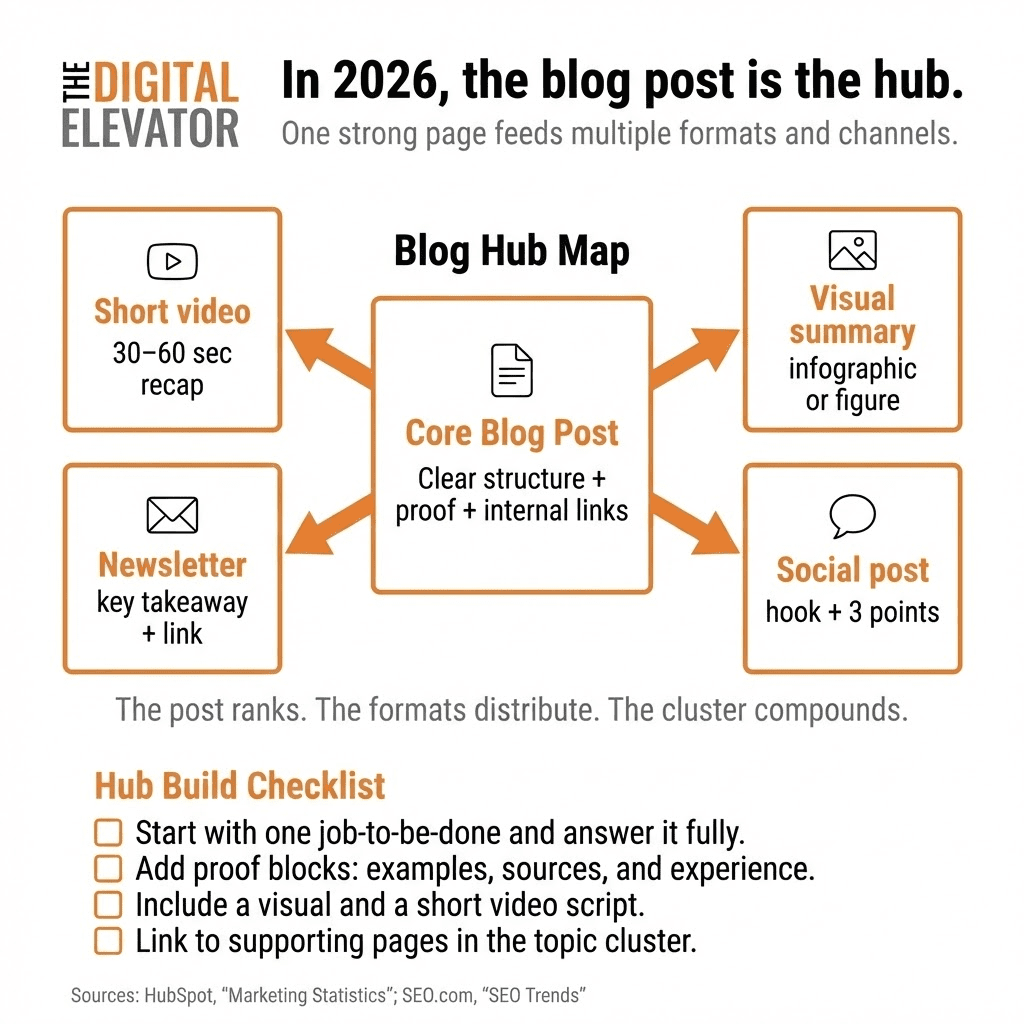
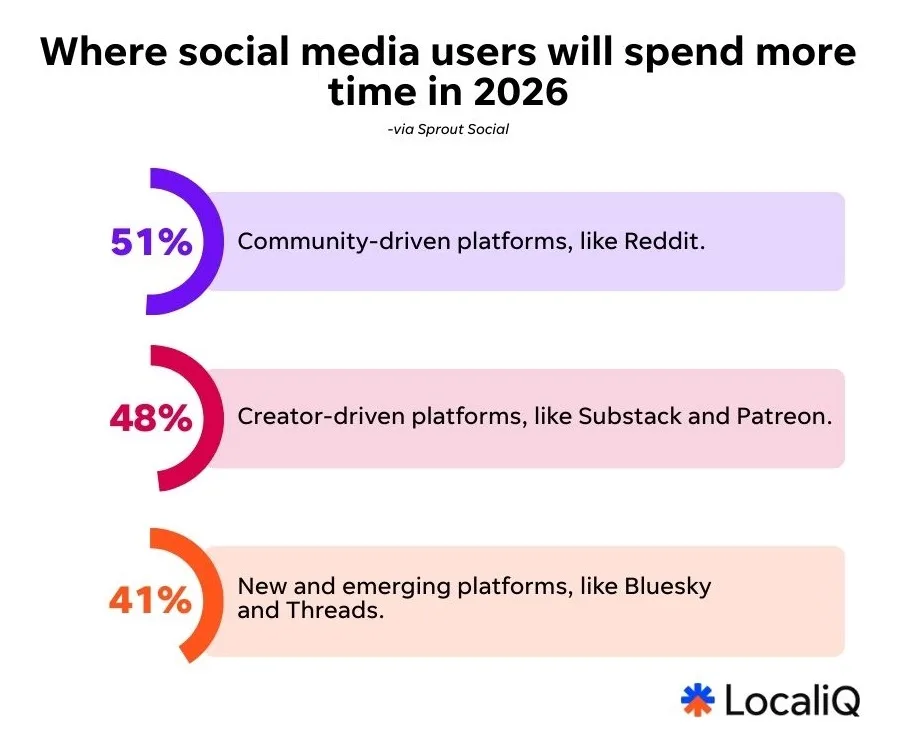
Maximizing Organic Reach for Social Synergy
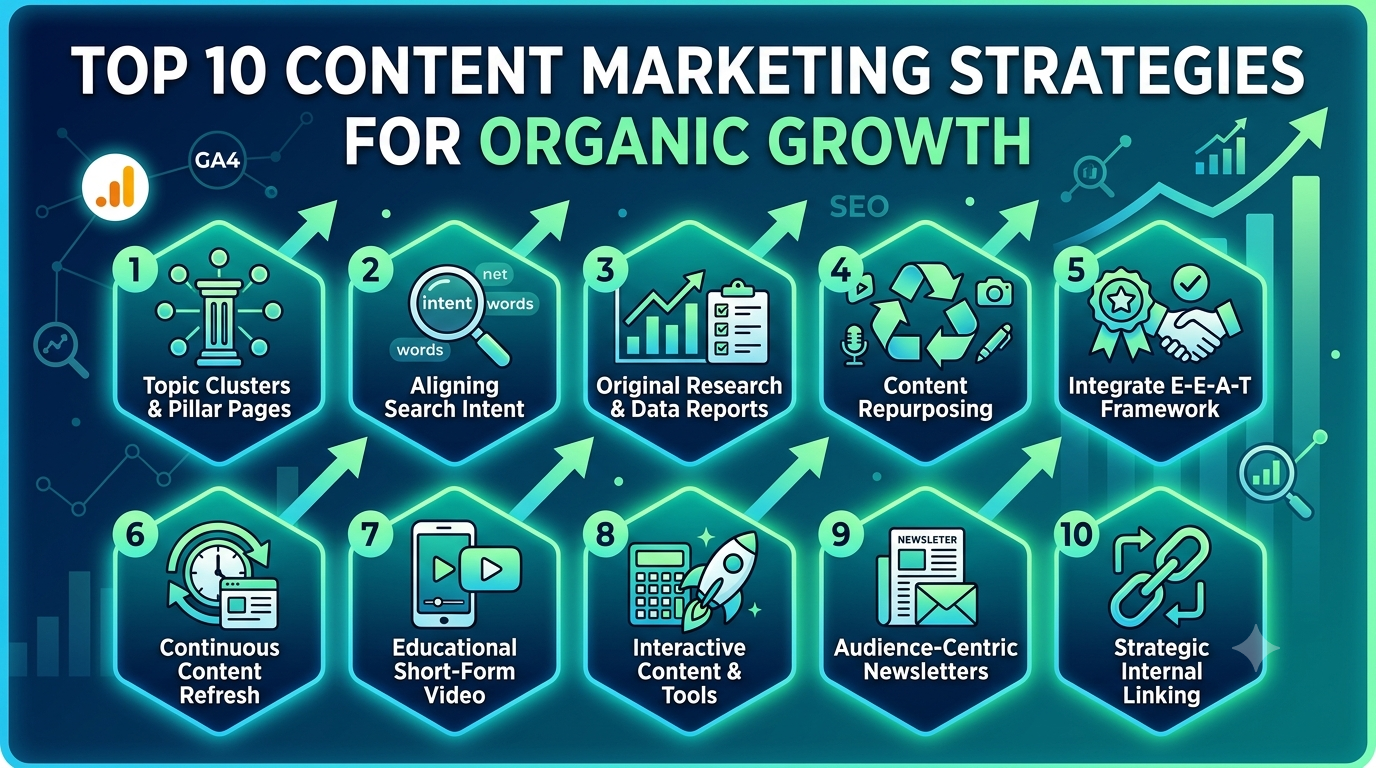
These five points will get you begun on solid ground. Page speed (Core Web Vitals) is among Google's ranking elements and worth fixing early, though Google has said significance and content quality carry more weight. Structured data (JSON-LD) deserves executing for standard SEO functions such as abundant outcomes, however it has not been shown to increase AI citations Use question-based headings and respond to in 4060 words (Atomic Answers format).
Include author bios, cite main sources, and share original information. Both Google and AI systems assess who wrote the content and why they're qualified Google AI Mode breaks one question into 812 sub-queries and searches them in parallel. Building subject clusters that cover related questions is now necessary for AI visibility Google Search Console and GA4 are free.
how to do keyword researchRegular monthly evaluations turn random effort into systematic enhancement Let's break each of these down. SEO (Seo) is the practice of making your site visible in search engines like Google and Bing. Simple enough. In 2026, the definition has actually expanded considerably. Here's the thing: search results page no longer look the method they did even two years back.
how to do keyword research
How to Command Modern SEO in 2026
Standalone AI search engines ChatGPT, Perplexity, Claude have actually sculpted out their own user bases.: Rank high get clicks drive traffic: Rank high + get cited by AI construct brand name visibility + drive traffic This shift has actually offered rise to GEO (Generative Engine Optimization) optimizing material not simply for search rankings however for AI citation.