Is SEO Strategy Changing for Brand Managers?
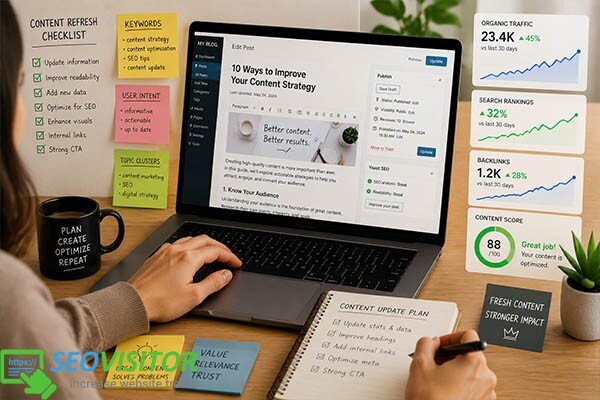
You bring your jobs and marketing campaigns to life. By working together, innovative, marketing and assistance teams will be able to produce appealing, impactful and interesting material to develop experiences that capture the attention of your target audience. This partnership between different departments reflects well on your content competence: you have extensive understanding of your market, show it! Idea: to make it simpler for groups to work together and avoid losing time searching for files, consider storing and conserving your material in a place where everyone can find it.
Instead of balancing tools, folders, files, and even versions, marketing and innovative groups can go straight to the tool and get easy access the digital possessions they require. When your lovely content is developed, it's important to set up ideal management. This stage resembles the oil in the workings of your material lifecycle, it assists it run as smoothly as possible - so to speak! It includes different activities such as: Downloading files or data Storage utilizing a tree structure, with the precise area noted Defining access, adjustment or recognition rights in accordance with user profiles, Keeping versions approximately date etc.
virtual private serverIf it's well considered, it guarantees the appropriate usage of your content, with updated, verified files, while optimizing its life-span. Tip: produce a map of your content to get a summary of all your digital assets, recognize possible duplicates, obsolete material and sort it. You can get this clearer introduction from a solution that centralizes and enhances your material management such as DAM software.
Modern Content Tactics to Increase Organic Visibility
Your content is produced, finalized and organized: time to disperse and promote it! Depending upon your initial strategy, pick the most suitable marketing channels, the ones that are bound to reach your target market (social media, blogs, newsletters etc) and at a time best fit to its habits. You and your groups require fast, safe and secure and measurable access to your content for an efficient circulation phase.

To this end, be sure to utilize a technique aside from sending out media by means of e-mail or file transfer platforms, which includes downloading your files and saving them locally. Handling your content circulation from your DAM will make you more efficient: all the users concerned have simple access to pertinent material, the right versions are quickly recognizable and processes are automated.
How do you guarantee that your marketing content is high-performing and provides the outcomes you want? To comprehend whether the material you produce was pertinent and produced conversions, it's a great concept to track Key Efficiency Indicators (KPIs) based on routine reports, on a monthly basis for instance. Pick the indications that finest determine the result you anticipate: open rates for your emails? Variety of views for a marketing video? Click-through rate for a banner on your website? Variety of participants in a webinar? It's up to you to define and observe those that will be most important to determine your material performance.
Reviewing Old vs Modern Content Systems
It will likewise help you recognize any outdated content, with the goal of upgrading or archiving it, if essential. Idea: you can also consider your digital marketing tools: are they ideal and do they provide you with the information you need? You need to know how the target audience reacts and interacts with your material, depending upon the point of contact and context.
Its Content Scoring feature discussed earlier allows you to evaluate the efficiency of your media: a particular marketing project, a provided type of format, the things represented on the visuals, etc. Usually speaking, this information about your content notifies your decision-making, assists you change your strategy, and makes you more efficient with regard to the material you produce and distribute.
Before you begin producing new material again, think about recycling existing material! Yes, your material is growing and progressing!
This optimization procedure can be found at all phases of the lifecycle: before, throughout and after your content circulation, you can examine the arise from all your channels to keep what is most effective. You can likewise use A/B testing, which will provide you an indicator of the very best methods to adopt.
Set aside momentarily, these digital properties can be recycled or reused to increase their return. Pointer: you might need to know which visual media to keep, archive or erase. It depends upon your brand name method and your company's practices. Some pictures or logos will be kept to track changes or produce retrospectives, for instance, but you might ask yourself if every image format is essential.
Essential Content Marketing Trends to Monitor in 2026
It's a concern of discovering the right balance between the need to keep a record and the need to declutter what is no longer beneficial and still holds some importance. If you use DAM, minimize your storage area by cleaning it regularly: you maximize space and therefore minimize your energy usage.
So to prevent the risk of material overload, the primary step is to be sure to adopt an eco-responsible digital interaction method (the list roduced by ADEME is a convenient guide which is well worth an appearance). Your interaction will be more efficient, due to the fact that it is well designed and thoroughly targeted, and less resource intensive.
Choosing for a DAM solution assists minimize your carbon footprint by centralizing your digital assets and improving the production, management and distribution of all your marketing and media content. The digital content lifecycle consists of the 7 phases that material follows: preparation, production, organization, circulation, analysis, optimization, and archiving. To enhance ROI, increase effectiveness, extend content value, and minimize digital waste.
Material scoring measures the performance of media properties, helping marketers focus on high-performing material and minimize waste.
Material lifecycle management is the practice of handling material from it's planning, authoring, promo, evaluating and keeping. Whatever has a lifecycle: plants, animals, computer systems, and, yes, people. However what is content lifecycle management, and why do we require it? With 70% of companies leveraging material marketing, comprehending the lifecycle of your content is important to your company's workflow and success.
Optimizing the Full Content Lifecycle for Higher Rankings
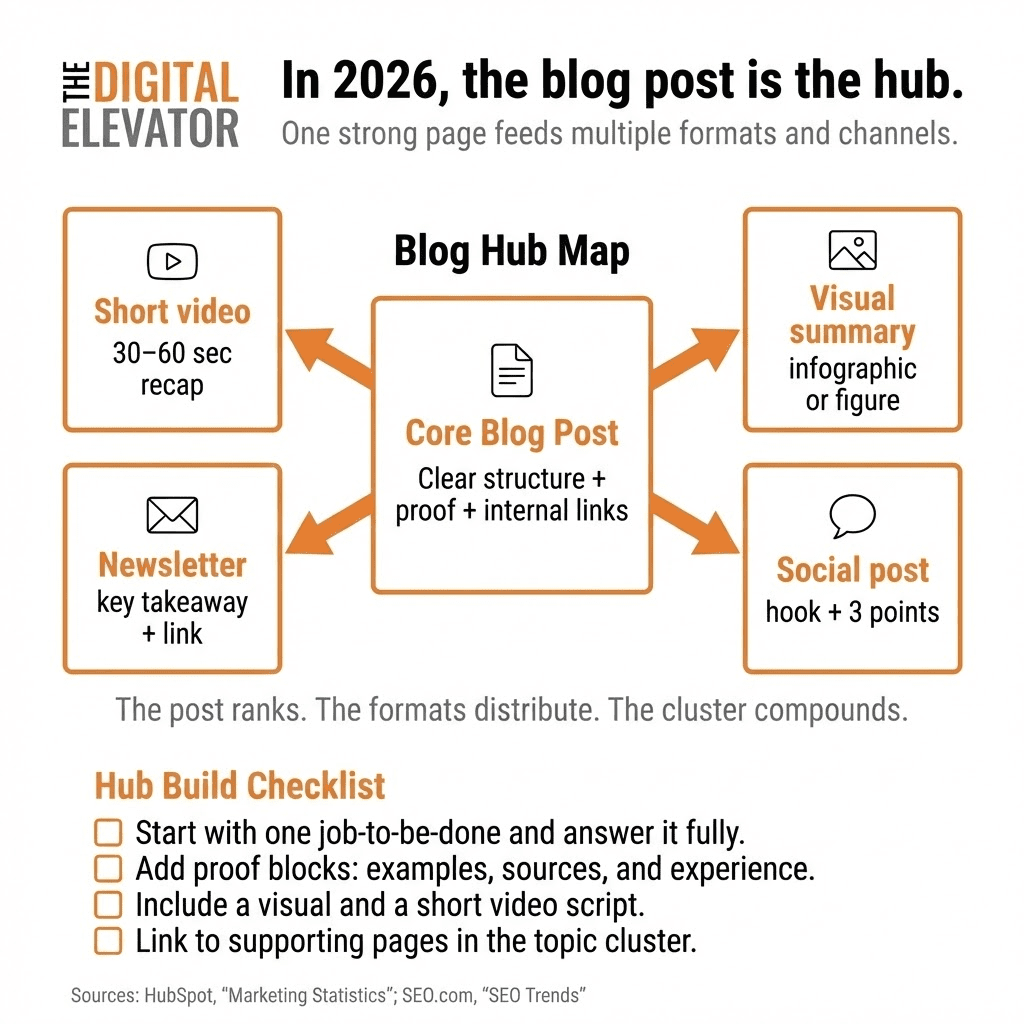
Material lifecycle management is the beginning, middle, and end of data production Elevating your brand name or maintaining its reputation implies supplying top-notch material lifecycle management out of material production The five phases of content lifecycle management are planning, producing, marketing, assessing and maintaining Content can be found in numerous types. It could be a blog site on a site, an infographic, a podcast, or a video, you can even leverage material for repurposing if requirement be.
As an example, you want to develop video content for your brand name. From there, you decide the theme of your video to be the company's mission statement.