How to Link Social and Search Synergy
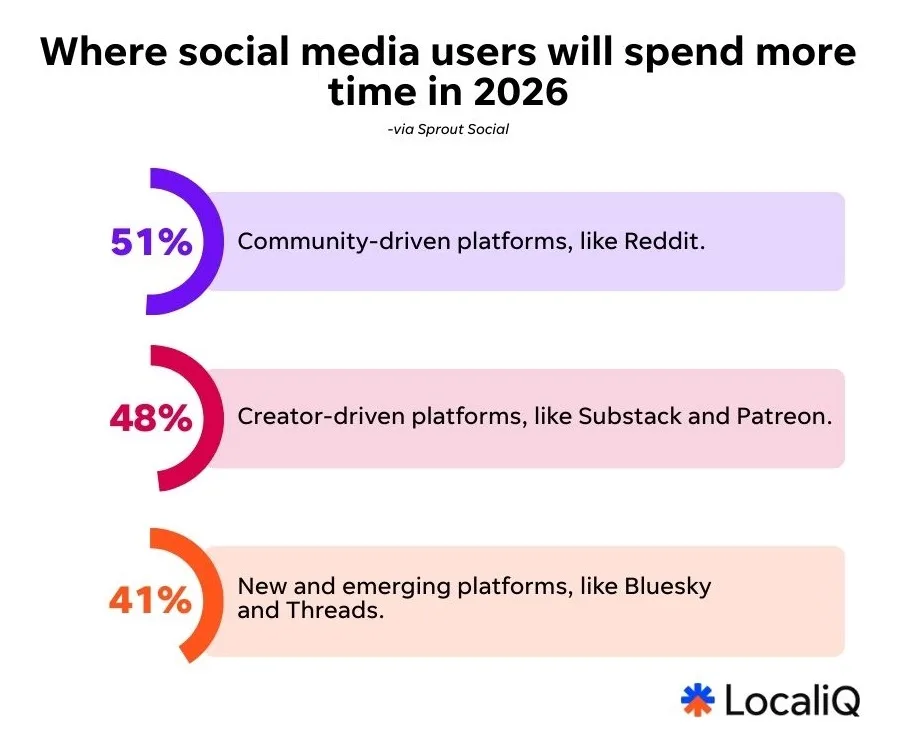
Browse and material are no longer different lanes. In 2026, they act like a single system where visibility is split across timeless rankings, AI-generated responses, video platforms, and community-driven outcomes. The useful outcome is easy: groups that treat material as an owned trustworthiness property will keep earning demand, even as clicks piece.
Keep human evaluation for claims, examples, placing, and anything that affects trust. Develop a light-weight material QA checklist: accurate checks, primary-source links, author knowledge signals, and "what is new here" recognition. In 2026, "excellent writing" is table stakes. Brands need noticeable evidence behind the content. That includes genuine authorship, experience, and third-party confirmation.
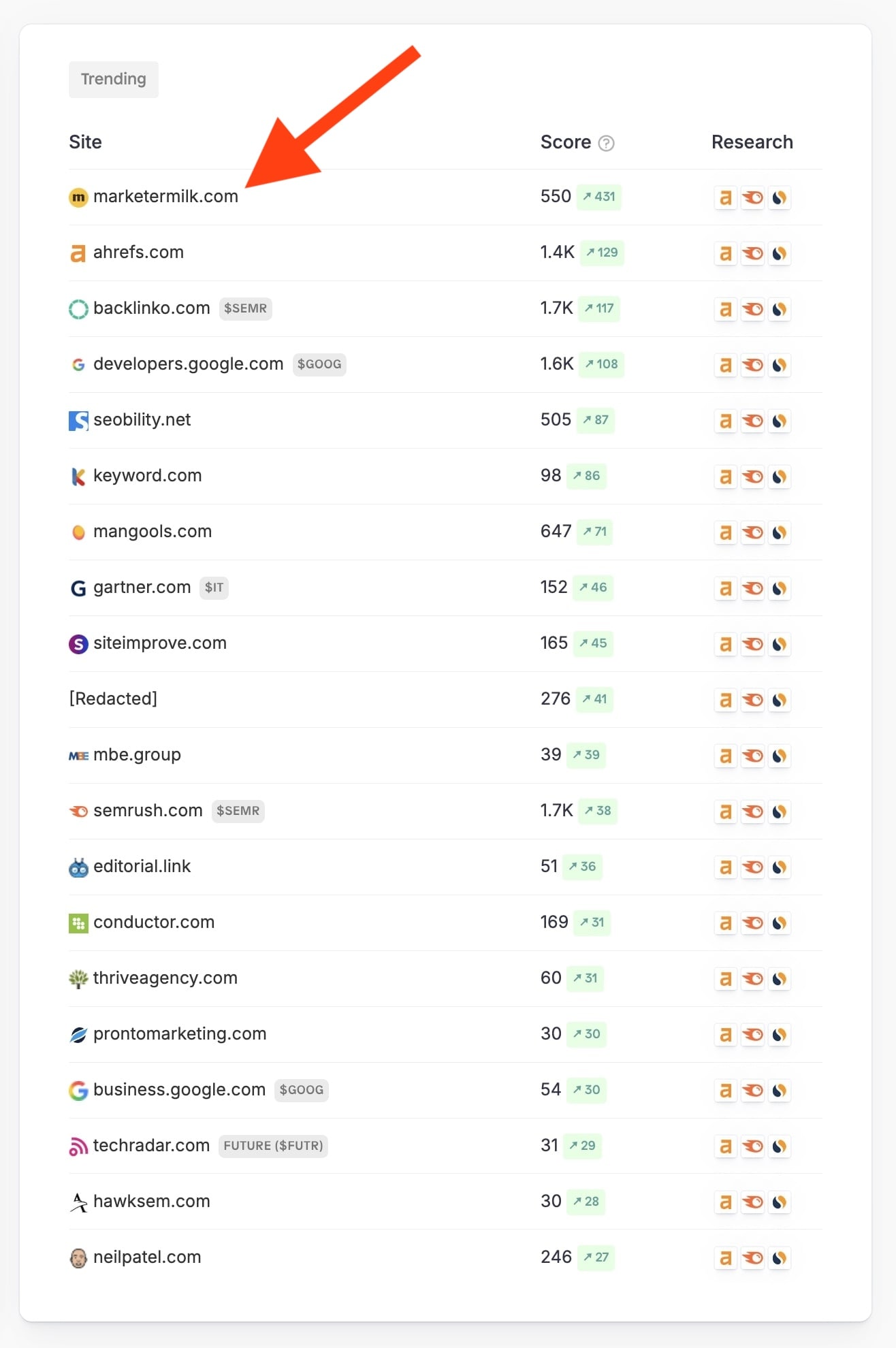
Marketer Milk calls E-E-A-T the most crucial ranking aspect pattern they are seeing for 2026, and emphasizes structure social evidence through interviews, reviews, and reliable points out. lists E-E-A-T focus as a core 2026 SEO pattern, consisting of revealing "real people behind the website" through reviews and proof. Include "evidence obstructs" to essential pages: who composed it, why they are qualified, how it was examined, and what sources were utilized.
Creating Rank-Winning Content for 2026 Search
Make third-party discusses through podcasts, partnerships, and digital PR. It is discoverability infrastructure. Even when traffic holds, attribution gets messier.
Track "visibility results," not simply clicks: top quality search growth, demonstration helps, newsletter signups, and sales discussions influenced by content. Include an internal "citation and mention" report. Watch which pages get referenced externally, which topics reveal up in AI responses, and which possessions earn links. Volume alone is not a moat any longer.
Siege Media reports the leading frustrations in 2025 were getting content to rank (77.6%) and meeting user intent (70.6%). highlights "micro-intents" and the requirement to ask, for each page, what the user wants to do today, then construct clusters that match that truth. Redesign material planning around jobs-to-be-done.
Elite Methods for Scaling Content Lifecycles
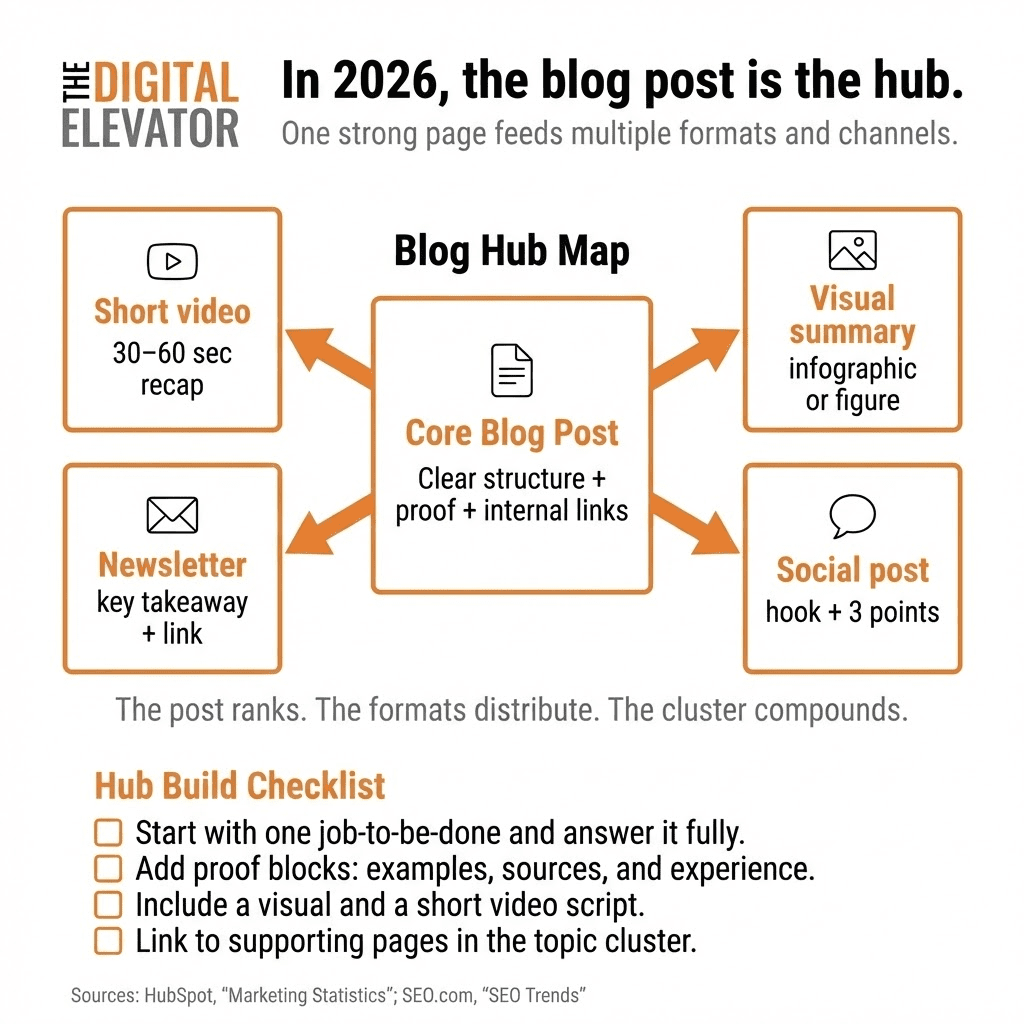
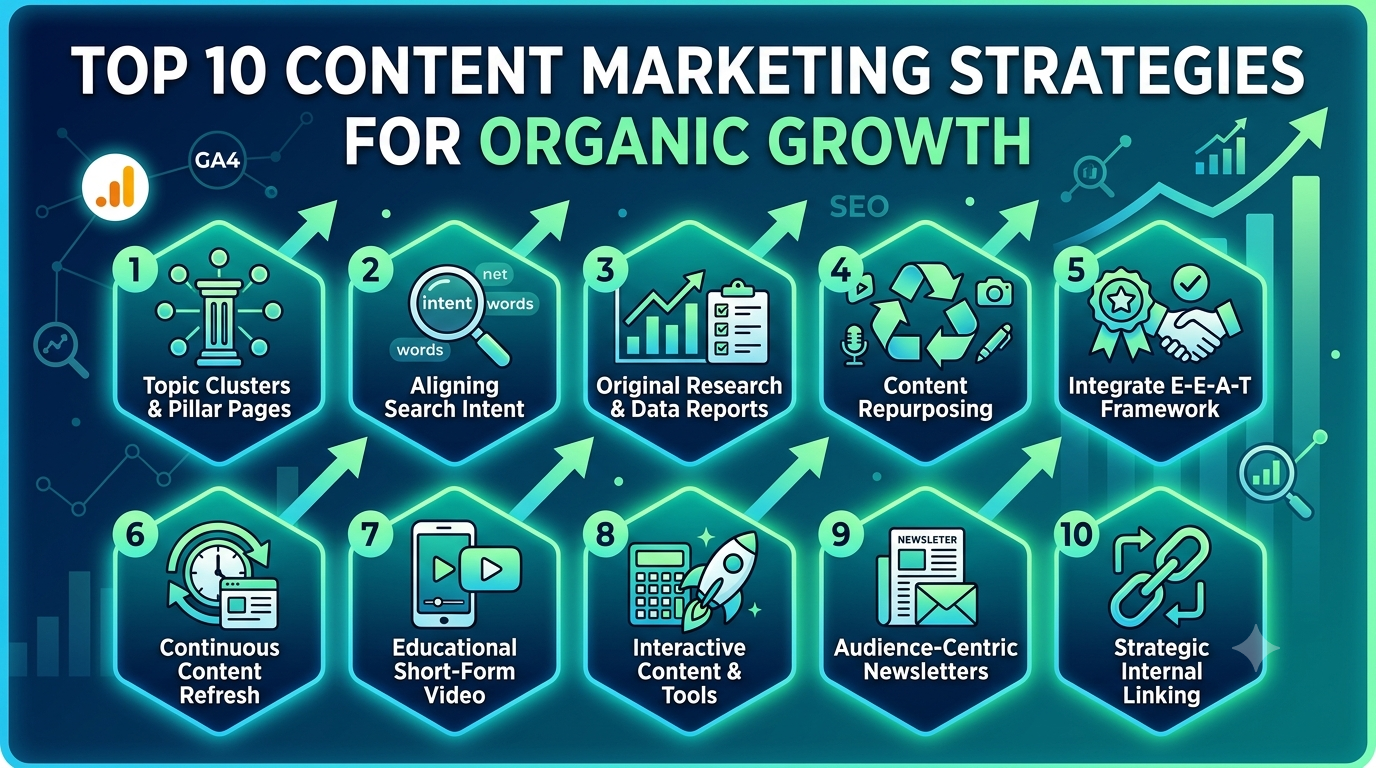
Use subject clusters that link: a core page, supporting pages, and proof properties that can be referenced and linked. Buying topical mapping and material architecture up front makes every subsequent property more effective. Prune or combine material that is generic, redundant, or thin. Change it with less pages that carry genuine compound.
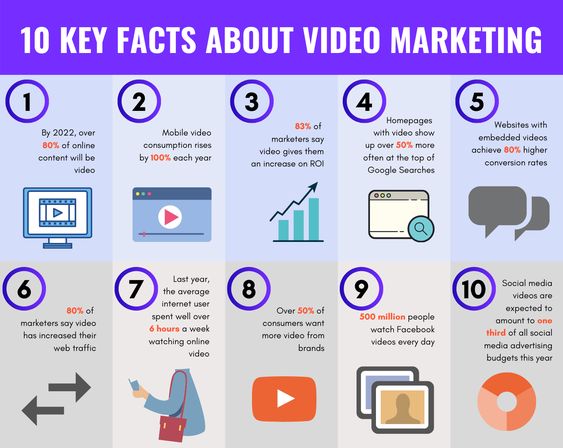
HubSpot reports that in 2025, post (38%) were the third most utilized content format among marketers, and post were also amongst the leading 5 highest-ROI formats. HubSpot Notes blogs are among the formats marketers prepare to invest in for 2026, along with video-heavy formats and UGC. lists "leveraging multimedia" as a 2026 SEO pattern and argues text-only pages are increasingly limiting.
Repurpose intentionally. One strong post can end up being a LinkedIn thread, a brief video, a webinar summary, and a downloadable checklist. A useful method to think about 2026 is that you are building a network of trust signals, not simply releasing pages. Content Marketing Institute's professional roundup advises structure "trust ecosystems," with interviews, behind-the-scenes stories, and professional insights to stand apart in an AI-saturated environment.
Publish material that proves gain access to and experience: specialist interviews, field notes, teardown analyses, and operator playbooks. Connect these properties together. The goal is a connected body of work that is easy for humans and systems to trust.
SEO copywriter services
How to Link Social and SEO Signals
Make ROI much easier to protect by developing material around high-intent issues, not broad informational topics alone. If you need a clean operating model, use this as your baseline: Pick 35 reliability themes you want to own (not 30). Develop clusters around micro-intents, then release one "flagship" possession per cluster. Add evidence: author competence, main sources, case examples, and third-party mentions.
It is that SEO outcomes are now produced by a broader trustworthiness economy. AI compresses the area for generic material, while raising the payoff for material with proof, voice, and connected distribution.