Effective Content Asset Optimization Plans
The development of search is accelerating from keyword-based inquiries to conversational questions, away from clicks to responses inside the engine, and from "search" to "wherever individuals ask questions." Platforms such as Google LLC (with AI Overviews), Bing Copilot, and other generative-search interfaces are rewording what "visibility" means. Browse All Over Optimization impact audiences in all the places they go to take in material about your topic is no longer optional. Shift from producing pages for keyword rankings to producing reliable answer-centered content, structured with schema, developed for featured bits, voice gadgets, and even generative AI-powered response boxes. Prepare for more "zero-click" situations where users get answers without visiting your site.: Optimize for intent, structure for conversational and multimodal search, and measure outcomes beyond clicks (e.g., brand lift, FAQ visibility, conversational voice assistant triggers).
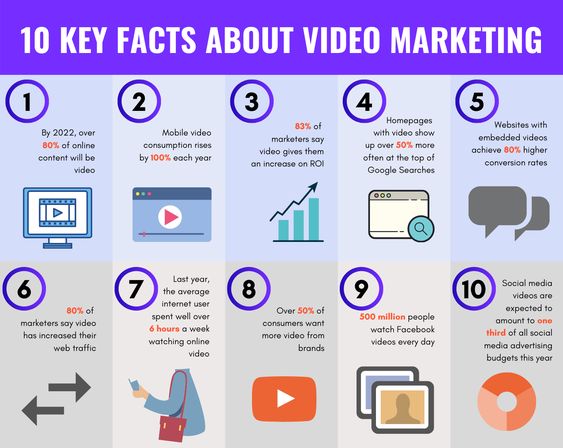
Social platforms long treated video as engagement; now they're treating it as transactional.: An IAB research study found that 86% of advertisers are currently using or plan to use generative AI for video ad production, and projected adoption recommends Gen AI-created video advertisements will represent 40 % of all video advertisements by 2026.
: The secret is to treat video not simply as storytelling however as a direct course to purchase. That indicates interactive elements, item overlays, live shopping, shoppable end cards, integration with ecommerce platforms. And from a measurement viewpoint: Connect views to actions (add-to-cart, check-out) instead of just vanity metrics (views, likes).
Sustainable Frameworks for Future Content Growth
Develop video assets with embedded purchase triggers and assign them full-funnel measurement. The death of the third-party cookie, increased guideline, and increased customer sensitivity around information mean you must look inward: Your first-party data, consent-based profiling, and data architecture become your competitive center. Current projections by WPP Media recommend international digital advertising will strike north of US$ 1 trillion in 2025, with digital representing 73.2% of global advertisement profits.
You require to build a "information spinal column" consent capture, a robust client data platform (CDP), conversion event APIs (such as from paid platforms), identity resolution, and incorporate offline + online signals.: Make first-party data and measurement architecture a fundamental pillar of your 2026 technique. Without it, media financial investment and optimization will break down quickly.
Due to the fact that they integrate abundant first-party purchase or deal information with premium placement, they provide among the few "full-funnel" channels where exposure, factor to consider, and conversion can be directly tied to real SKU-level outcomes. According to recent reporting by Business Expert, RMN advertisement invest is projected to reach approximately $62 billion in 2025, representing about 17.9% of all digital media spend and the expectation is that share will surpass 20% in 2026.
If you're still seeing RMNs as tactical or experimental, then you run the risk of lagging behind brand names that develop internal capabilities now.: Construct your RMN strategy today. In 2026, the shift is from paying developers to publish, to co-creating with developers product, project, community.
Creating Rank-Winning Copy for 2026 Search
Brand names will significantly structure programs where developers ideate item features, produce limited-edition lines, or get involved in campaign planning. Embed creators in product, marketing, and measurement cycles, and treat them as co-owners of the brand name experience.
virtual private server
And they demand credibility. That means brand engagement built on neighborhood, and credibility built on internal voices (staff members, management) and genuine brand function. Reports highlight that consumers significantly seek interaction, openness, and ethics in brand communications.: Business will invest more in owned channels (online forums, apps, micro-communities), user-generated content, peer-to-peer (P2P) mechanisms, and internal advocacy (employee social, management material). However the real advancement in 2026 is AI as the operating system behind marketing: analytics, optimization, media purchasing, workflow automation, consumer journeys. According to Reuters, media powerhouse Meta Platforms aims to completely automate advertising with AI by end of 2026. Brands may quickly supply an item image and spending plan and let the AI develop the advertisement, target it, optimize it.
: The decision is no longer "Should we utilize AI?" but "How do we govern, incorporate and scale AI across planning, creative, measurement and optimization?" It suggests human-in-the-loop ends up being necessary people set method, guard for bias, guarantee brand safety while AI executes at scale.: Deal with AI as your marketing OS.