Building an Elite Content Strategy for Digital Success
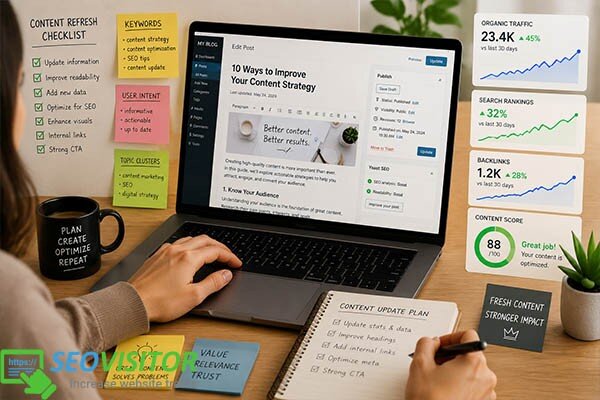
Organizing and tracking material is an all-too-common problem for enterprise-level companies. Without an appropriate strategy in location, the large volumes of material they develop, even daily, can rapidly become scattered across various drives, systems, and team-specific repositories. This detached technique makes delivering constant digital experiences for customers a tedious and lengthy battle.
SEO NEO on autopilotBy developing and implementing a business content management technique, you can turn detached data into a valuable organization asset. The following guide takes a look at the vital parts, planning actions, and technology requirements necessary to develop a successful ECM roadmap for your organization. A business content management technique is a detailed prepare for how large organizations handle info.
Rather, it acts as a directing structure that dictates how digital content is developed, authorized, structured, emerged, and retired across every digital touchpoint. A distinct ECM technique guarantees your material management efforts correctly align with your broader organization procedures and goals. As content volumes and the number of delivery channels grow, having a clear strategy for your enterprise material management system ends up being necessary.
Why You Must Manage Digital Lifecycles for Maximum SEO
Unstructured material creates functional drag. An official enterprise material management technique removes this hurdle by standardizing the process for storing documents and files.
A well-structured business material management method streamlines and improves: Automated workflows lower manual effort in the approval and publishing cycles. Enhanced findability makes sure that customers and staff members always access the most pertinent information. As you expand into brand-new markets, a recorded technique makes it simpler to manage big volumes of material across numerous websites and areas.
There are numerous fundamental pillars needed to develop a sustainable structure for your ECM technique. These components work together to guarantee your enterprise content stays a property instead of a liability. These pillars are: This defines the roles, ownership, and requirements for your organization. You should develop who is accountable for content quality and which groups have the authority to approve or retire assets.
Info architecture consists of taxonomies, metadata requirements, and content types that make info easy to classify and discover. This part tracks the content lifecycle from initial production through to eventual archiving or removal, suggesting just fresh, precise info remains active. Secure your service material with role-based access. This guarantees just authorized users can see or modify delicate info.

Use workflow automation to move content through the review and publishing stages, decreasing traffic jams in between cross-functional groups. Beyond just a search bar, this includes optimizing search accuracy through metadata quality and content structure so users can discover what they require quickly. Your ECM platform ought to not operate in isolation. It requires to get in touch with your CRM, ERP, and analytics platforms to supply a unified view of your client information.
Synergizing Social Media and SEO for Maximum Brand Impact
Constructing an efficient ECM method needs a practical structure that aligns your crucial organizational procedures with long-lasting service objectives. By following a structured procedure, you can guarantee that your material operations satisfy both user expectations and technical truths. These steps can help you establish a reliable ECM roadmap for your company.
Start with an extensive material audit to determine all content sources, including tradition repositories, shared drives, and cloud storage tools. This audit typically exposes considerable content sprawl, duplicate files, and outdated documents that no longer serve a purpose. Examine who owns the material in each silo and how it is presently handled.
Your enterprise material management strategy need to support measurable outcomes to be successful. Start by aligning with key stakeholders from marketing, IT, and legal.
For clients, it typically includes personalization and constant messaging across all web content. Technology alone can not resolve content turmoil.
Establishing these roles assists prevent siloed decision-making and makes sure everyone follows the very same standards. Top priority policies must consist of calling conventions, metadata standards, and retention rules. By documenting these expectations, you create a repeatable process that preserves content quality even as your team grows. Routine evaluation cadences ought to likewise be established to keep these policies appropriate and ensure information protection.