Aligning Social Media Reach to SEO Goals

AI may have changed how content gets found, but not what makes it valuable. The experts agree: The edge now lies in structure, strategy, compound, and human judgment.
A big thank you to our contributors for sharing their time, experience, and insights. Editor's note: All interviews have actually been gently edited for clearness, brevity, and adherence to our Editorial Guidelines. The views revealed by the interviewees in this column are theirs alone and do not necessarily represent the view of Search Engine Journal.
If you seem like SEO is always changing, you're right, and 2026 is shaping up to bring a few of the. With Google ending up being smarter and more user-focused, remaining ahead of the curve isn't just smart, it's necessary. What should you expect from SEO trends 2026? What can you do now to make sure your organization does not fall behind? Let's break it all down in plain language, with genuine examples, so you can comprehend Google has actually made one thing really clear:.
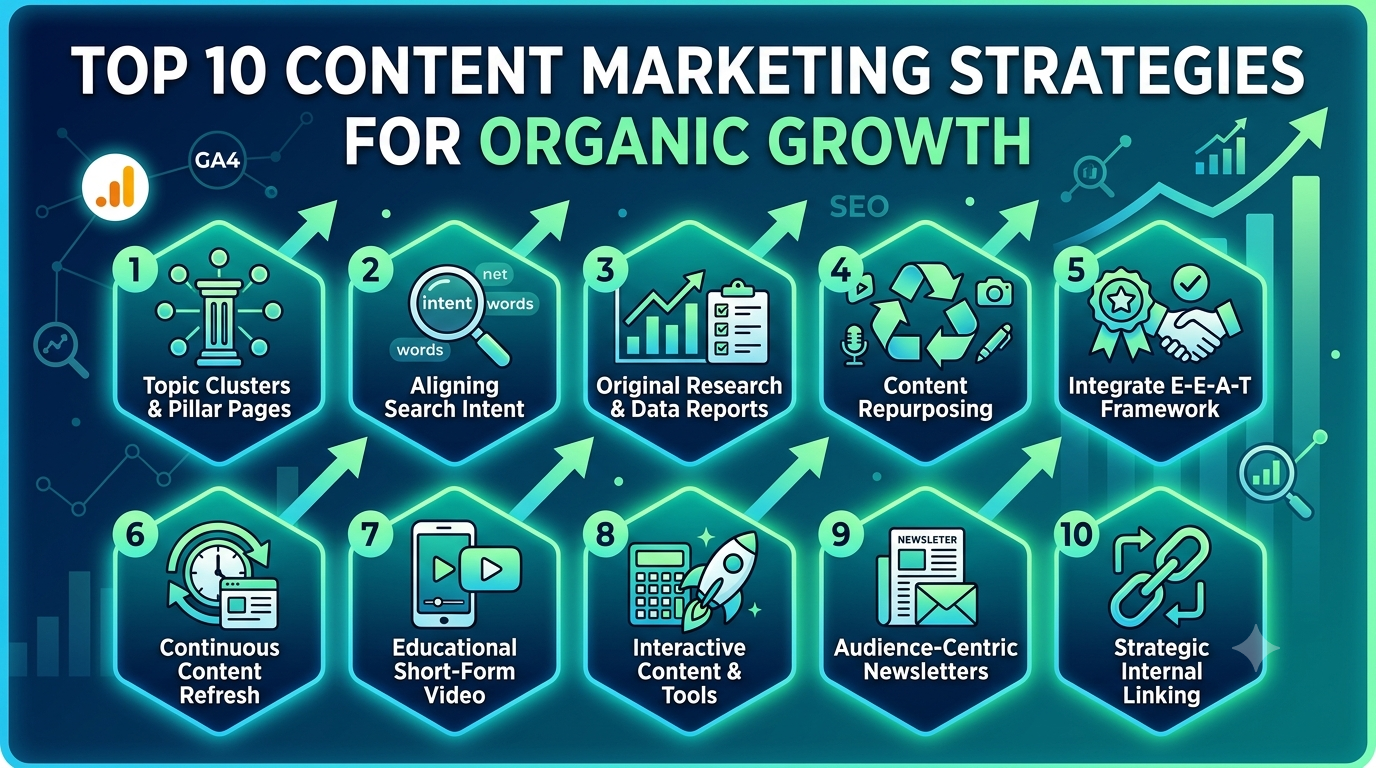
: Has the individual writing in fact done what they're discussing?: Do they have shown understanding in the field?: Are they relied on by others in the market?: Is the content accurate, truthful, and valuable? According to Google's Browse Quality Critic Standards, content showing strong E-E-A-T is "crucial for topics that impact a person's health, financial resources, or safety." That includes legal recommendations, medical details, and, yes, service services.
Future-Proofing Organic Traffic for the New SEO
That's the things your audience (and Google) wants to read. Genuine stories develop trust.: Let readers know who composed the material and why they're certified.
Outdated information = lost rankings.: Do not just "utilize AI", train it. Tools like ChatGPT can help you draft, but always customize with your insights. Google is looking for indications that a human specialist in fact reviewed or contributed to the content. Here's something new that will change how people find your business:.
That puts your business front and center., AI summaries and included bits now account for over. Here's how to remain noticeable in a world of zero-click search: AI prefers material that's well-structured and simple to read.
These help both real users and Google's AI understand what your page has to do with. Each FAQ is another chance to appear in included snippets or SGE summaries. Take a look at our guide onFAQ schema. This is code you contribute to your site that informs search engines precisely what's on the page, things like item information, evaluations, locations, and more.
Lots of competitors are still composing surface-level material.: AI-generated summaries aren't here to replace your material, they're here to.
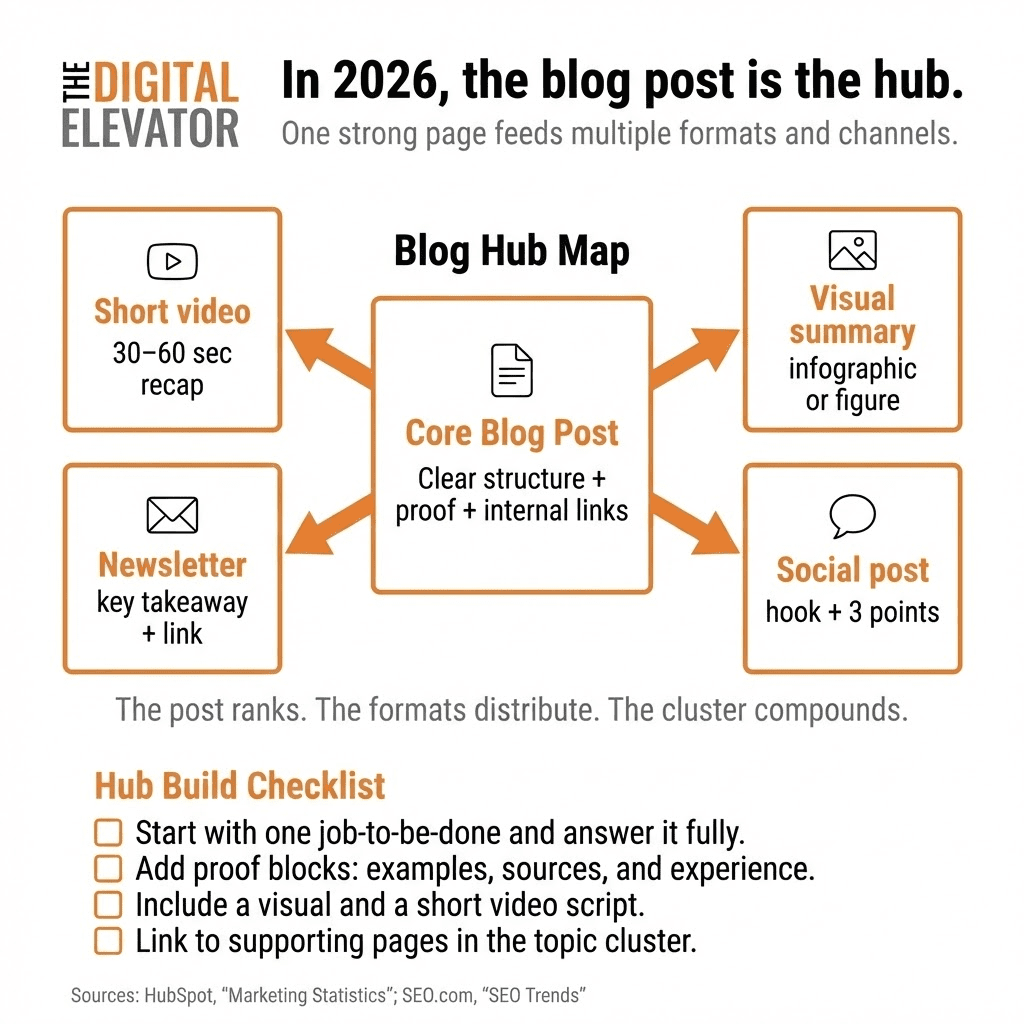
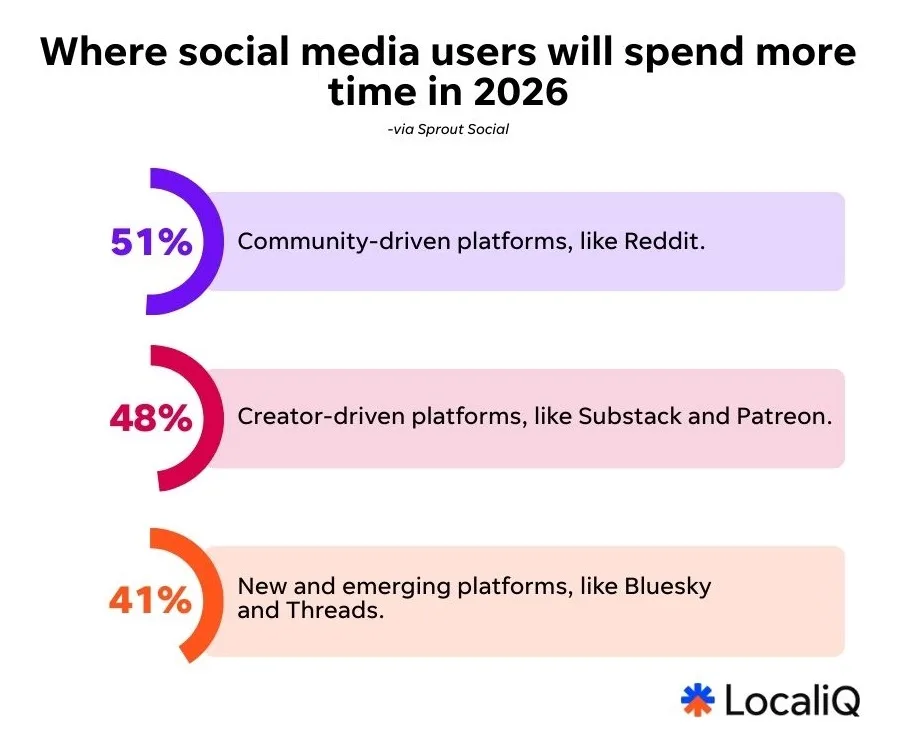
Maximizing Organic Reach for Social Synergy
Have you ever snapped a photo with Google Lens to discover an item online or learn about a landmark? That's in action, and by 2026, it's anticipated to be a major driver of traffic. In reality, according to a current report from Statista,, and that number is growing rapidly.
This isn't simply about images. Online search engine are moving toward, which implies they can comprehend and connect several types of media at the same time, text, images, videos, and even voice input. Somebody might take an image of a set of tennis shoes, ask "are these excellent for running?" and Google could pull outcomes that consist of evaluations, item specifications, and YouTube videos, mixing several material types into one response.
keyword research the right way
Here's how to prepare: Do not leave your images called "IMG_1234." Instead, utilize descriptive file names like "" Alt text aids with ease of access and provides search engines more context. Fuzzy, low-quality images won't cut it. High-resolution images and videos develop trust and boost click-through rates. Stock pictures are fine, however initial images of your items, office, or group send more powerful trust signals.