Advanced Tips for Efficient Content Lifecycle Management
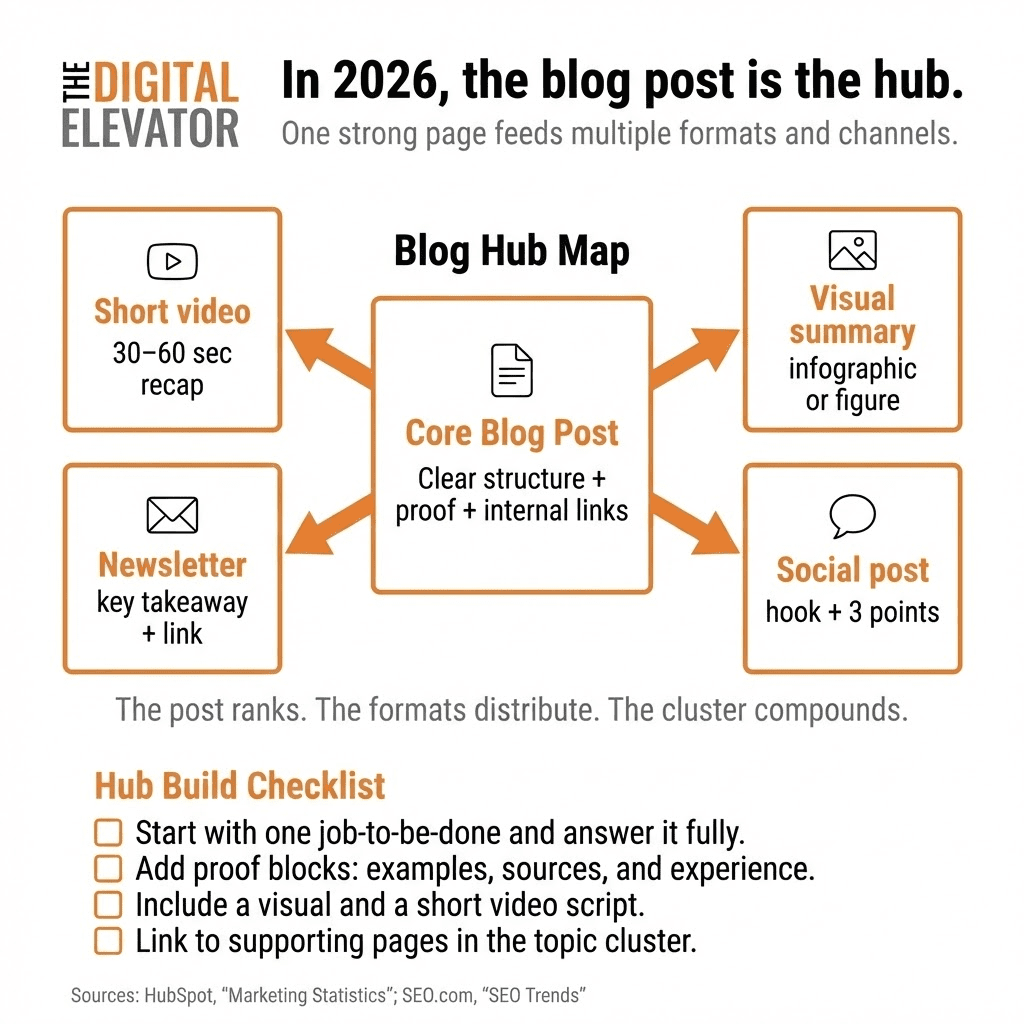
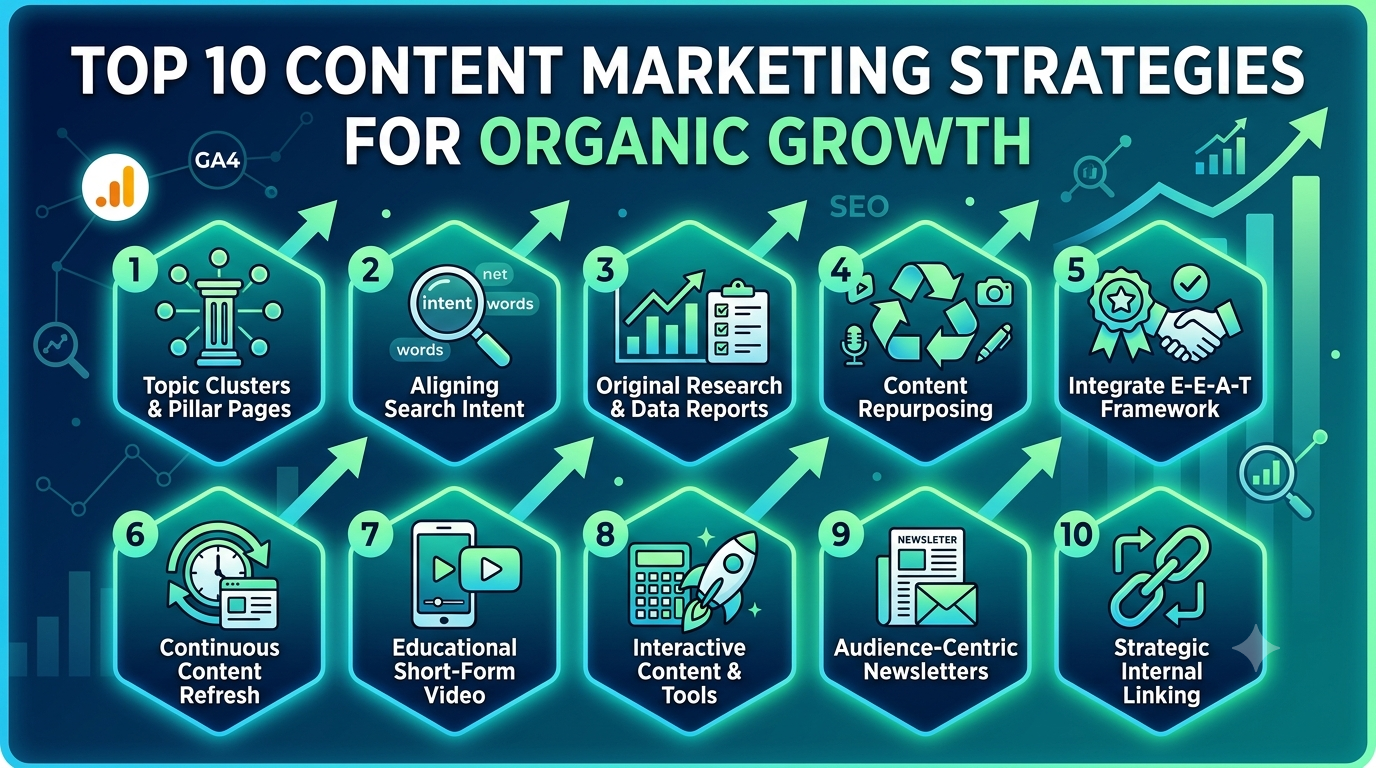
Alves opens the discussion by mentioning that AI hasn't completely hindered the content structures that used to work. "Lots of material finest practices remain the very same, such as authority-driven frameworks like data storytelling, initial research study, and professional commentary." These, she keeps in mind, are more most likely to be shared, trusted, and noticed by human beings and search engines alike.
Examples are tutorials, explainer videos, and playbooks that prepare for user requirements and offer practical, actionable next steps. Alves likewise advises us that even as AI delivers responses in an instant, audiences will still turn to relied on brands for depth and application. "Customers still prefer and prefer human competence over devices." "I am betting huge on frameworks only experienced authors understand," Betts says, indicating brand name storytelling rooted in company knowledge, executive messaging that shapes how individuals view your organization, and content technique requiring real human judgment about stakeholder needs.
He adds, "The briefs, editorial requirements, and voice guidelines that train AI? Those matter now. Lloyd-Martin keeps her focus on the properties numerous brands overlook.
Optimizing Organic Performance for AI Content Tactics
And no matter how AI or search evolves, she constantly suggests keeping an email list. When the discussion turns to proving return on investment (ROI), our professionals tie value to measurable results rather than volume.
She highlights attribution and exposure throughout the funnel. She also looks at "trust metrics," lending credence to brand trustworthiness, share of voice, look in AI summaries, and discusses in third-party articles/media.
He focuses on the broader function content plays. He then highlights a shift in how stakeholders see material.
It is 'content method multiplies organizational output while remaining genuine.' That wins financial investment." "Rankings and citations still matter, however I focus on what those metrics mean," Lloyd-Martin shares, expecting these behavioral signs: "Is the material bring in certified visitors? Are they taking the next step, or bouncing? Traffic without reader resonance doesn't drive profits." She also pays very close attention to how material reveals up in discussions.
She notes that the goal is producing content that transforms and builds authority. Adam Riemer demonstrates effect through contrast and accountability.
How Smart Analytics Refines the Content Strategy?
In other cases, precision becomes the deciding aspect. "We send the non-factual material to legal for review, which puts an end to it." For his customers who wish to utilize AI for content, he establishes policies in location for "fact-checking, conversion testing, and other controls that require human help." "This helps keep human beings employed till companies realize AI needs to not be composing and generating material without human intervention." Our experts share what they believe will specify content success next year.

"Nothing new, it's the very same as it always has been," says Riemer, describing the current landscape. He sees an opportunity created by decreasing content quality. In his view, the core dynamic hasn't altered.
You might take short articles from 10 sites or have 10 writers compose them, include the macros to place and spin them, then spit out brand-new material. Very same quality as we're seeing here with AI." Alves notes the saturation AI has developed, but audiences and online search engine will reward material that proves real-world insight can just be produced by human beings.